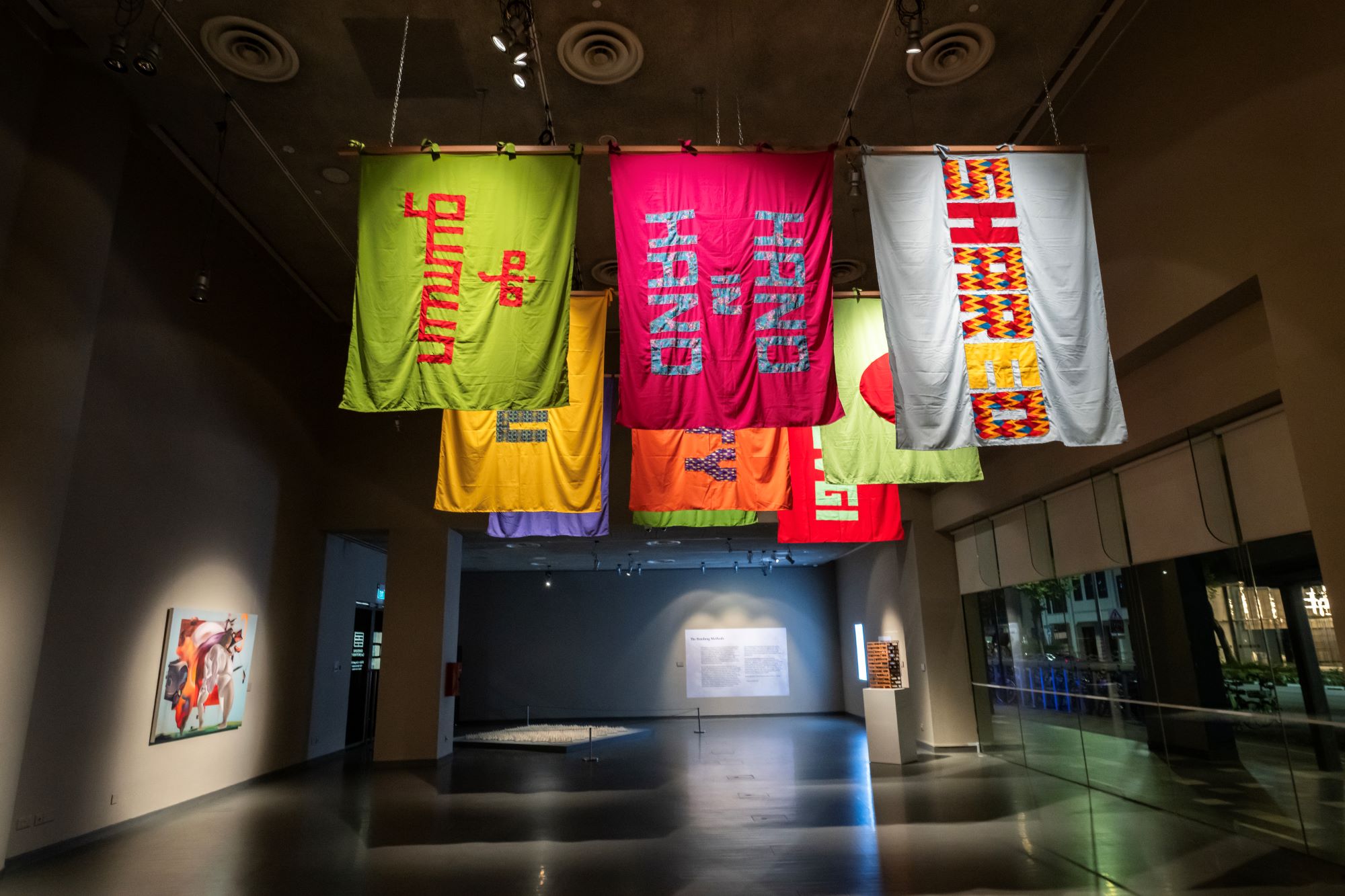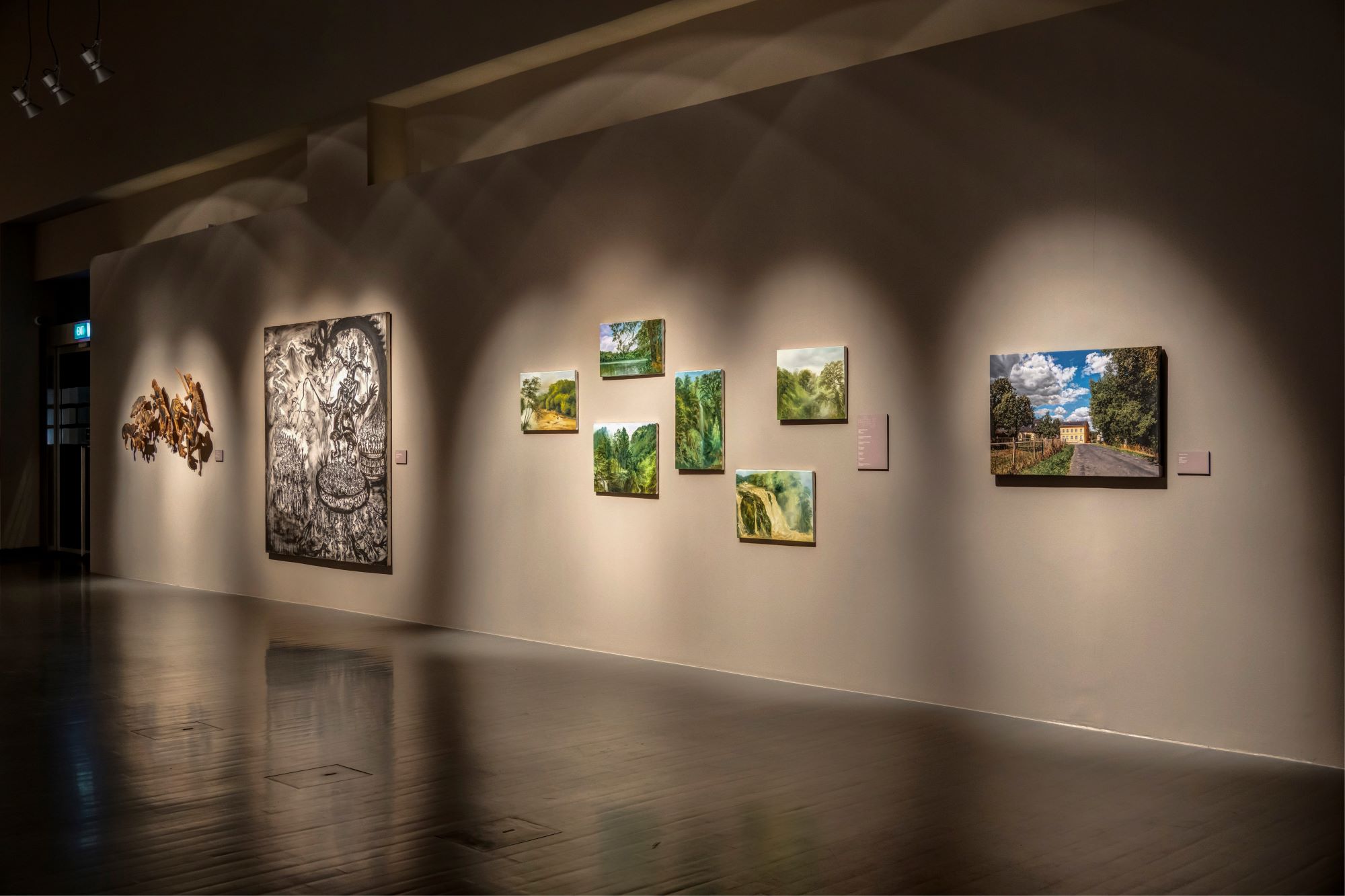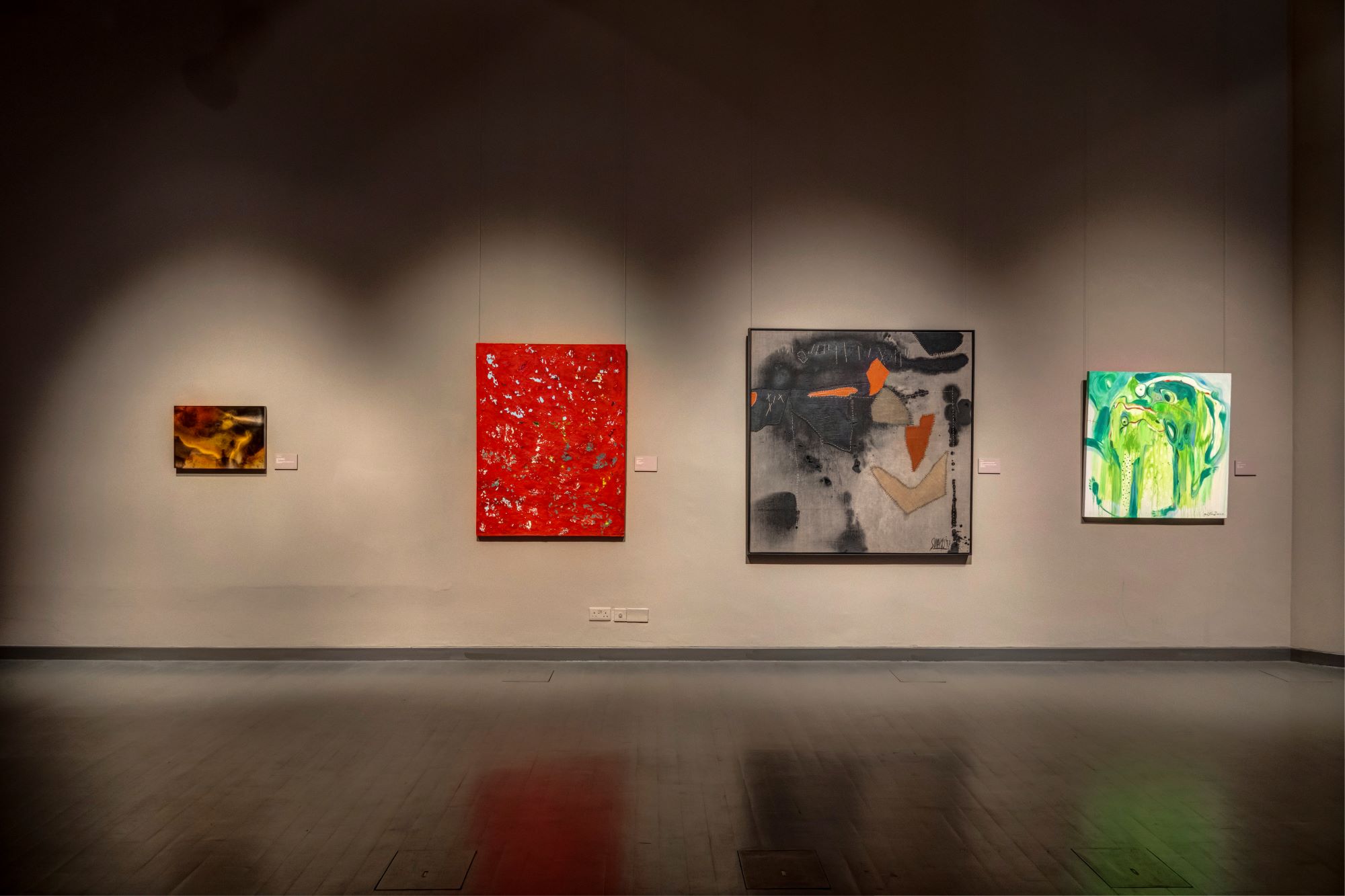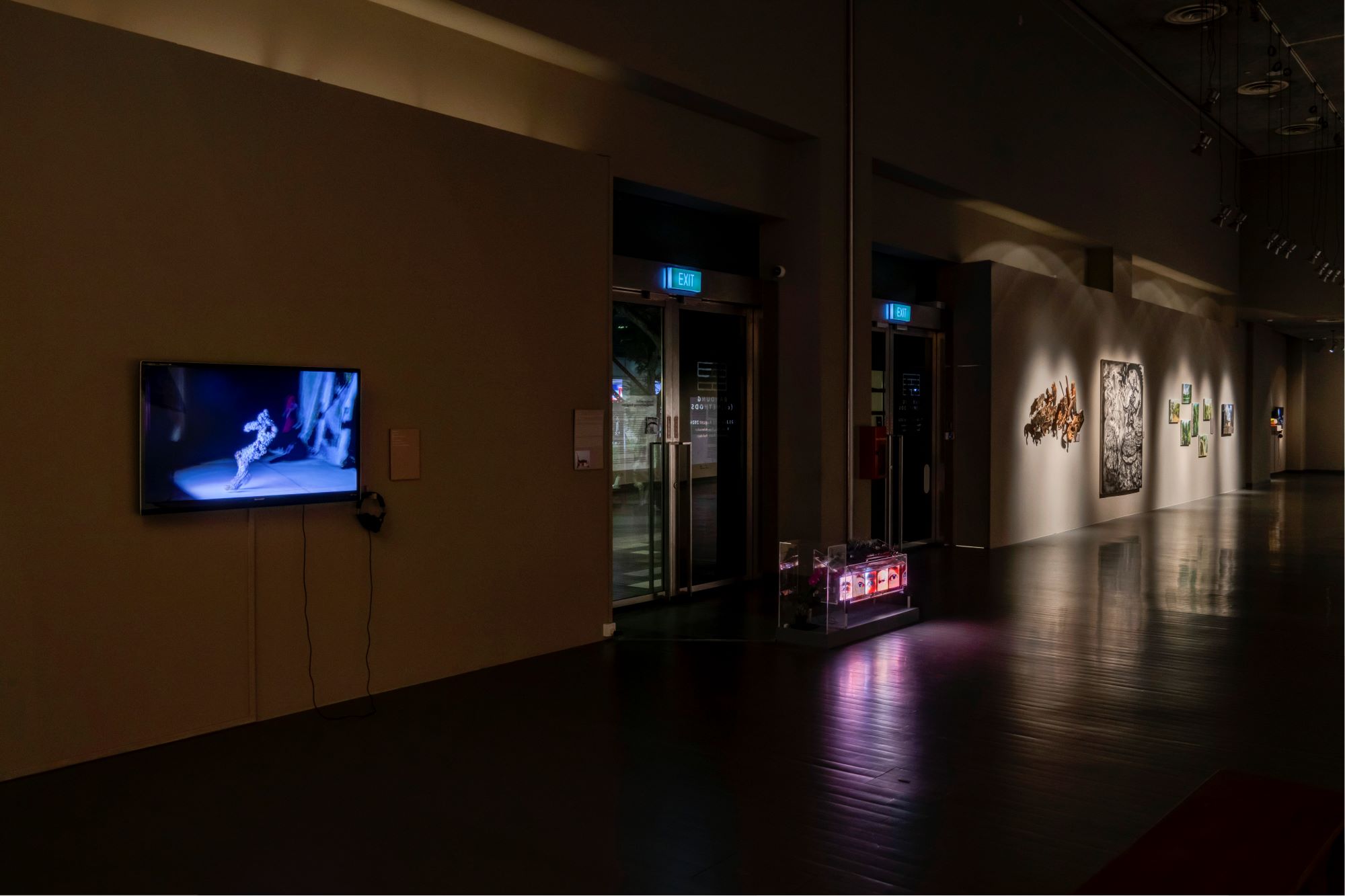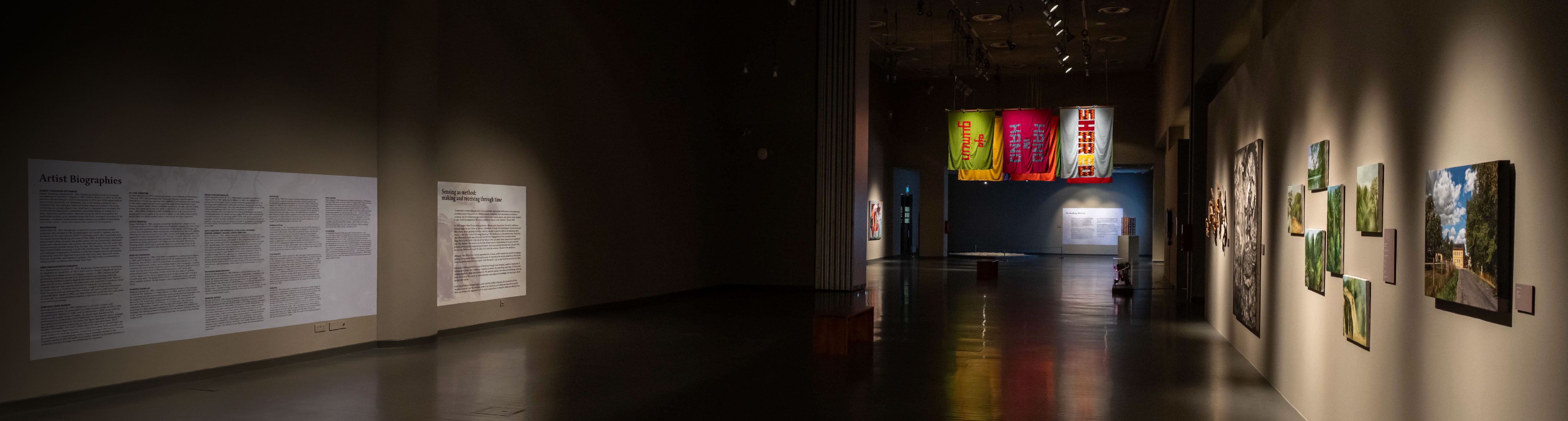
Bandung (as) Methods brought together 21 artists, including faculty members, alumni and students of the Faculty of Art and Design (FSRD) at Institut Teknologi Bandung (ITB). Conceived and curated by Dr Agung Hujatnikajennong, Chair of Visual Arts Study Program at ITB, the exhibition explored Bandung as a living artistic ecosystem, where artistic knowledge and practices are passed down, challenged and reinterpreted across generations.
The exhibition traced the evolution of Bandung’s artistic traditions beyond the formalist abstraction historically associated with the Bandung School. Artists such as Sunaryo explored modernist approaches through painting, sculpture and printmaking, while Arahmaiani extended artmaking into performance and community activism. Tisna Sanjaya integrated social and political concerns into his multidisciplinary practice, and Asmudjo Jono Irianto contributed to contemporary art discourse through his roles as an artist, curator and educator. Collectively, their practices illustrate a living tradition defined not by any particular style, but shared methods of inquiry and experimentation.
The exhibition also underscored the synergy between the institutions through the Southeast Asian Arts Alliance – Respond, Collaborate, Harmonise (SEArch). Building on the Memorandum of Understanding signed with NAFA-UAS at the UOB-NAFA Southeast Asian Arts Forum 2025, each deepened their commitment to advancing regional artistic research, dialogue and educational exchange, marking a strong start to collaborative initiatives to come.
Participating artist and ITB lecturer Duto Hardono presented his work, Cybernetics for Tape Loop: Improvisation at NAFA, an experimental sound performance using analogue tape loops to explore feedback and control. He also conducted a two-day tape-looping workshop for NAFA Degree students from Fine Art, Design Practice and Biophilic Design, encouraging cross-disciplinary learning through hands-on experimentation.